Garage Flooding: Prevention, Safe Assessment and Damaged
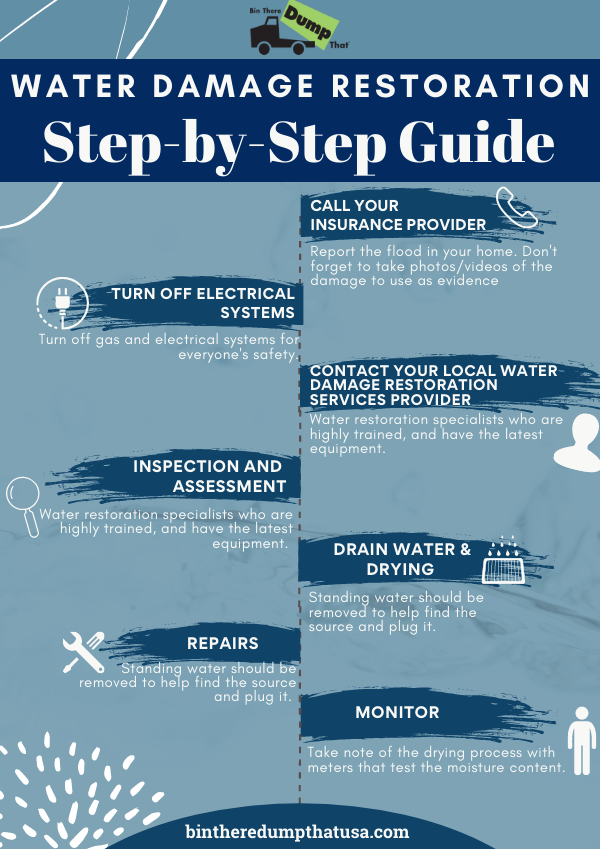
Garages flood more easily than the rest of the house. They sit at or below the driveway, they often have floor drains or gaps under the door, and they're where water heaters, washers and freezers tend to live. When a garage does take on water, it also holds a mix of things the rest of the house doesn't: outlets near the floor, power tools and extension cords, and containers of fuel, oil, paint and pesticides that can leak into the water. This page covers how to respond safely, document what's damaged, hand the cleanup to the right people, and then reduce the chance of it happening again. For the whole-house process when water has reached living areas too, see our guide to water-damage restoration.
Step 1: Identify Water-Entry Concerns
Whether you're preparing or responding, work out how water gets in. Common sources in a garage:
Surface water from outside: a driveway that slopes toward the garage, a failed or missing seal at the bottom of the overhead door, a low threshold, or yard grading that funnels runoff to the slab.
Roof and gutter water: downspouts discharging next to the garage, overflowing gutters, or a roof leak over a detached garage.
Groundwater and drains: water rising through cracks in the slab or backing up through a floor drain during heavy rain.
Inside the garage: a failed water heater, a washing machine hose, a burst supply line to a utility sink, or a frozen pipe on an exterior wall.
The source matters for the response. Clean water from a supply line is a different cleanup from runoff that has passed over the driveway or floodwater from a street or river.
Step 2: Distinguish Contamination and Electrical Risks
Before anyone walks into standing water in a garage, deal with two risks.
Electricity. Garage outlets, power strips, freezers, chargers and extension cords sit close to the floor. If water is present, don't try to shut off the power yourself. Public Safety Canada's flood guidance says plainly not to attempt to shut off electricity if any water is present, because water and live electrical wires can be lethal, and to contact your electricity or fuel supplier for instructions (Government of Canada, Floods: Get Prepared; Canada; accessed October 2026). The same rule applies in the US: if you can't reach the panel from a dry place, call the utility or an electrician and stay out.
Contamination. Treat floodwater in a garage as contaminated. Outdoor floodwater can carry sewage, and garage water often picks up fuel, motor oil, antifreeze, paint, pesticides and fertilizer from stored containers. Signs to watch for: a sheen on the water, a fuel or chemical smell, or containers that have tipped or floated. The EPA's guidance on flood cleanup and indoor air (US federal; accessed October 2026) notes that materials wet for more than about two days usually grow mold, which matters for an attached garage that shares air with the house.
If you see either risk, stop here and go to Step 3. Don't move chemical containers, run equipment, or start pumping water out yourself.
Step 3: Arrange Qualified Assessment
Bring in the right people in the right order:
Utility or electrician to make the electrical system safe and inspect anything that got wet before it's used again. Gas or propane appliances (water heaters, furnaces, dryers) need the same check by a qualified technician.
Your insurer, to report the claim and ask what they need before cleanup starts. Flood from outside and water from a failed appliance are often covered differently.
A restoration contractor if the water was deep, contaminated, or reached the house, to extract water, dry the structure and assess mold.
A household hazardous waste program or qualified contractor if fuel, oil or chemicals have leaked into the water, since that water and anything soaked in it needs a specific disposal route.
A detached garage that took on water may also need a structural look; flood-damaged buildings can be unsafe to enter.
Step 4: Document Damaged Possessions
Before anything is thrown out, build the record your insurer will ask for:
Photos and video of the water level, the source if visible, and every damaged item in place.
A written inventory: item, approximate age and value, and where it was stored.
Model and serial numbers for appliances, tools and equipment.
Receipts for any emergency costs (pumps, tarps, fans).
Keep damaged items until the adjuster has seen them or told you in writing that you can discard them.
Separate what may be salvageable (hard, non-porous items like metal tools and plastic bins that can be cleaned) from what usually isn't (cardboard, paper, upholstered furniture, mattresses, carpet, insulation and anything that sat in contaminated water).
Step 5: Plan Specialist Cleanup and Disposal
Garage flood debris splits into routes, and the order matters:
Debris
Route
Leaking fuel, oil, paint, pesticides, chemicals; water with a sheen
Household hazardous waste program or a qualified contractor. Never into a dumpster, drain or the regular trash
Freezers, refrigerators, dehumidifiers
Appliance recycling with refrigerant recovery
Lawn equipment, generators, vehicles
Drain fuel properly first; repair or scrap through the appropriate dealer or recycler
Wet drywall, insulation, carpet, cardboard, furniture, general belongings
General debris, once the adjuster has cleared it: bulky pickup, junk removal, or a dumpster rental. Confirm acceptance with the operator before loading
When the hazardous items have been dealt with and the insurer has cleared the rest, the next task is to coordinate restoration and damaged-material removal, which covers working with the restoration crew, the paperwork and getting the tear-out off the property.
Step 6: Review Prevention Options
Once the garage is dry, work back through the sources from Step 1:
Outside: extend downspouts away from the garage, clear gutters, regrade soil to slope away, and consider a trench drain across the driveway if it slopes toward the door.
At the door: replace a worn bottom seal and consider a threshold seal.
The slab: seal cracks, and keep floor drains clear. Ask a plumber whether a backwater valve suits your drain setup.
Inside: check water heater age and condition, replace washer hoses on schedule, insulate pipes on exterior walls, and know where the main water shutoff is.
Storage: keep belongings off the floor on shelving, use lidded plastic bins instead of cardboard, and store fuel and chemicals on a raised shelf away from the door.
Utilities: learn in advance how to turn off electricity and gas, and contact your supplier for instructions, as Public Safety Canada recommends.