

Sunroom Additions for Your Home in 7 Easy Steps
Sunroom additions are a fantastic way to bring the outdoors into your home, creating a versatile space that can be enjoyed year-round. Patio enclosures are another popular way to enjoy the outdoors while being protected from weather and other elements. Sunroom additions not only let you experience the beauty of the outdoors, but also protect you from other elements such as insects and weather. In this article, we will provide you with a comprehensive step-by-step guide on how to add sunroom additions to your home. Additionally, we will offer valuable insights into the cost considerations, the added value they bring, and the foundation requirements for a successful sunroom addition.
Determining the Sunroom Cost
When considering the cost of adding a sunroom to your home, several factors come into play. The size and style of the sunroom are significant determinants. Larger sunrooms with intricate designs or custom features will generally incur higher costs, although they provide more space and flexibility. Another cost factor is the choice of materials. Materials such as aluminum, vinyl, wood, and fiberglass are commonly used for sunrooms, each with its own aesthetic appeal and price range. Roofing options for sunrooms, such as traditional roofs, glass, or plastic panels, also impact both the overall cost and the amount of natural light and UV protection your sunroom receives.
Additionally, heating and cooling systems should be taken into account for the total sunroom cost. Depending on the climate in your region, you may need to invest in HVAC systems or climate control units to ensure year-round comfort in the sunroom. While these systems increase the upfront cost of the project, they greatly enhance the usability and enjoyment of the sunroom regardless of the weather conditions. For windows, double pane glass with low emissivity coatings can further reduce energy loss, improve thermal efficiency, and help protect your furnishings from UV rays.
Considering these aspects will help you assess the sunroom cost implications of adding a sunroom to your home. It’s essential to carefully evaluate your budget, desired size, style, materials, and climate control requirements. By doing so, and by making informed choices about materials and contractors, you can save on overall project costs, ensuring that your sunroom addition becomes a valuable and enjoyable extension of your home.
Types of Sunrooms
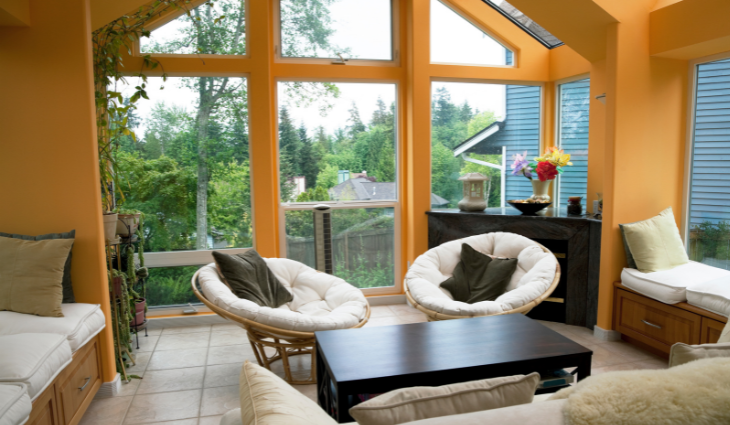
Sunrooms come in a variety of styles and configurations, making it easy for homeowners to find the perfect fit for their needs and budget. From prefabricated sunroom kits that offer a quick and cost-effective installation to custom-built sunrooms tailored to your unique vision, there’s a solution for every home. Popular options include three season sunrooms, which are ideal for enjoying the outdoors during milder months, and four season sunrooms, which are designed for year-round comfort. With so many choices, you can select a sunroom that complements your home’s architecture and enhances your living space.Enhancing Home Value With Sunroom Additions
A sunroom addition can significantly increase the value of your home, offering several benefits. Sunrooms, especially four season rooms and year round sunrooms, are highly attractive features for potential buyers looking for versatile living spaces, making your home stand out in the real estate market.
Sunroom additions offer an opportunity to expand your living space, increasing the usable area of your house and providing extra square footage. This additional space can be customized to serve a variety of purposes, whether you desire a cozy lounge area, an inviting dining space, or a productive home office.
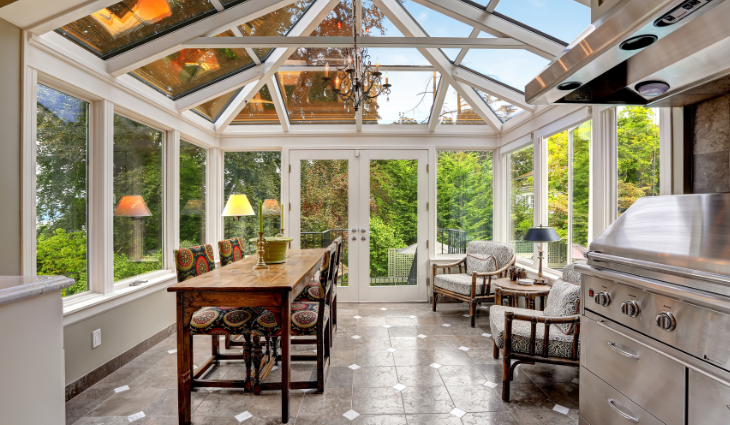
Sunrooms are thoughtfully designed to maximize natural light, creating a bright and airy atmosphere that permeates your home. The ample sunlight that floods the sunroom not only illuminates the space but also grants picturesque views, fostering a strong connection with the outdoors and elevating the overall charm of your home.
One of the key advantages of a sunroom is its versatility, allowing for year-round enjoyment regardless of the weather conditions. By incorporating proper insulation and climate control systems, you can create a comfortable environment within the sunroom, making it a pleasant space to unwind in any season.
Whether it’s a cozy retreat during the colder months or a refreshing sanctuary in the summertime, the ability to utilize the sunroom throughout the year adds significant value to your home. It becomes an indoor-outdoor oasis that seamlessly integrates with your lifestyle, offering a tranquil and inviting space to relax, entertain guests, or simply enjoy the beauty of nature from the comfort of your own home.
In summary, the addition of a sunroom brings expanded living space, harnesses the benefits of natural light and scenic views, and offers versatile year-round enjoyment. By adding a sunroom to your home, you not only increase its square footage but also create a bright, inviting atmosphere that seamlessly merges the indoors with the outdoors.
This adaptable space provides countless possibilities for relaxation, entertainment, and even work. Whether you’re looking to enjoy a cup of coffee while watching the sunrise or seeking a serene setting to read your favorite book, a sunroom is a valuable addition that enhances both the functionality and aesthetics of your home.
Steps to Add a Sunroom
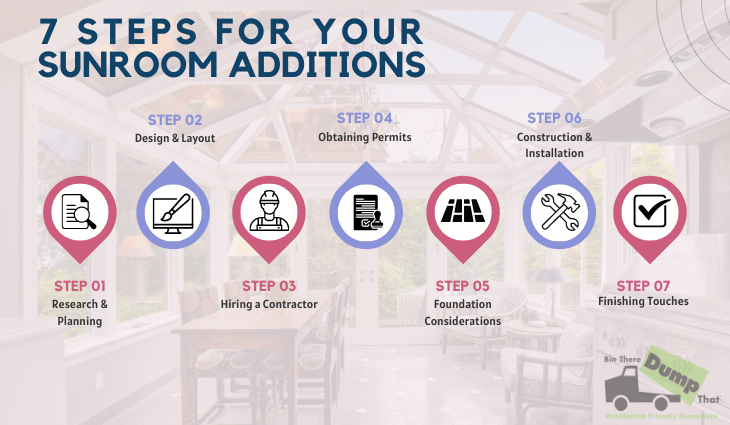
Now that we have explored the cost and value aspects, let's delve into the process you’ll want to follow to add a sunroom to your home:1. Research and Planning
- Research local building codes, permits, and restrictions pertaining to sunroom additions in your area.
- Determine the desired location, size, and style of your sunroom.
- Consider consulting with professionals or contractors to guide you through the process.
2. Design and Layout
- Work with an architect or designer to create a blueprint of your sunroom, ensuring it aligns with your vision.
- Discuss your requirements, such as the number of windows, entry points, and any desired custom features.
3. Hiring a Contractor
- Find reputable contractors with experience in sunroom installations.
- Obtain multiple quotes and review their portfolios and customer reviews.
- Ensure the contractor is licensed, insured, and provides a warranty for their work.
4. Obtaining Permits
- Contact your local building department to understand the required permits for adding a sunroom.
- Submit the necessary documentation, including architectural plans and specifications.
5. Foundation Considerations
- Depending on your sunroom's design, a foundation might be necessary.
- Consult with your contractor to determine if your sunroom requires a foundation or if it can be built on an existing structure.
6. Construction and Installation
- Clear the construction area and prepare it for the sunroom installation.
- Your contractor will begin by laying the foundation (if required) and erecting the framing structure.
- Electrical work, insulation, and HVAC systems are installed according to the design plan.
- Windows and doors are carefully fitted, ensuring proper sealing and insulation.
7. Finishing Touches
- Paint the walls, install flooring, and add any desired interior elements such as lighting fixtures or window treatments.
- Consider incorporating furniture and decor that complements the style and purpose of your sunroom.
- Schedule final inspections with the local building department to ensure compliance with safety regulations and building codes.