Estate Cleanout Guide: How to Clean Out a Parent's Home
Bearing the responsibility of cleaning out a deceased parent's or loved one's home is exhausting on so many levels. Between the physical demands of moving belongings, processing fresh grief and handling their final affairs, it can feel overwhelming. This estate cleanout guide walks you through one of the most emotionally challenging tasks friends and family members face, one step at a time.
When someone is dealing with an estate cleanout, it's about more than just a bin. You want to take the time to understand what they need, reduce stress, and make a very difficult situation just a little bit easier by guiding them through the process.
What Is an Estate Cleanout?
An estate cleanout is the process of clearing a home after the owner has passed away or moved into care. It usually involves securing the property, finding important documents, dividing belongings among family, selling or donating what's left, and disposing of anything that can't be used. Depending on the size of the home and how much was stored there, it can take anywhere from a weekend to several weeks.
1. Immediately Secure the Property
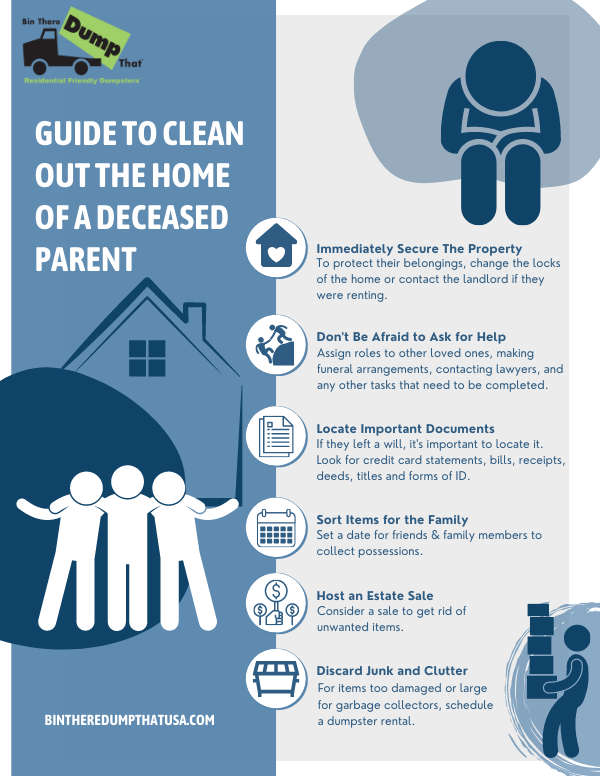
If your loved one lived across the country, away from the rest of your family, travel to their home as soon as you can. To protect their belongings, change the locks right away, or contact their landlord if they were renting. You don't have to start cleaning out the property immediately, but you should at least make sure everything left behind is protected and secure.
2. Don't Be Afraid to Ask for Help
A thorough cleanout of a house after a death is grueling work, and it's completely understandable to enlist friends and family to help with the logistics. Assign roles for reaching out to other loved ones, making funeral arrangements, contacting lawyers and handling any other tasks that need to be completed. Being overwhelmed by shock and grief is common and can make the work difficult to face alone. If you're not ready to sort through certain belongings, ask your spouse or a close relative to help you through the process.
If the home is especially full, or your loved one struggled to let things go, the job may be bigger than expected. Our guide to helping a hoarder declutter has tips for approaching a home with years of accumulated belongings.
3. Locate Important Legal and Financial Documents
If your parent or loved one left a last will and testament, locate this crucial document before moving things around or disposing of any belongings. As you walk through each room, collect credit card statements, bills, receipts, paperwork, deeds, titles and forms of identification. You may know your loved one's end-of-life wishes, but if their death was sudden, take time to carefully read the will and review it with a probate attorney. If no will was left behind, the laws that determine how property is distributed vary by state, so it's best to contact an attorney to help you make informed decisions about the estate.
4. Sort Items for the Family
Trying to get everything rehomed on a strict timeline can make your head spin, which is why it's important to set specific dates for friends and family members to collect possessions. That way, you won't be left trying to empty your parent's home on your own. Depending on your family's relationships, you may want to schedule separate days for small groups to visit the home and collect belongings.
5. Decide What to Keep, Donate, Sell or Toss
Once family members have taken what they want, sort everything that's left into four groups:
Keep: Sentimental items, important papers, photos and anything heirs have claimed.
Sell: Furniture, collectibles and valuables in good condition. Set valuables aside for appraisal, even if you're unsure what they're worth.
Donate: Clean, usable household goods, clothing and furniture. Before you load up the car, check our list of things you shouldn't donate.
Toss: Broken, stained or worn-out items, expired food and general clutter.
Some items need special handling no matter which pile they're in. Old paint, chemicals, propane tanks and batteries should go to a hazardous waste facility, so check what you can and can't put in a dumpster before you start loading.
6. Host an Estate Sale
After belongings have been distributed to heirs, consider hosting an estate sale to sell unwanted items that may be too large to donate yourself or too big for your local sanitation service to pick up. If you have a lot to sell, use our guide to planning an estate sale to make preparing for the big day, or weekend, much less hectic.
Estate sales are comparable to auctions, which is why it's extremely important to sort through every item that makes it to the sales floor to make sure nothing of sentimental value is accidentally sold. If you're worried about certain items not selling, research collection services in your area that pick up donations. If your parent lived in an assisted living facility, consider donating some of their possessions to other residents.
Alternatively, if you're up for the task, you can host a garage sale and sell unneeded items to neighbors and the rest of the community.
7. Discard Junk and Clutter
Some items are too damaged or soiled to be donated, and may be too large for garbage collectors to pick up. Schedule a dumpster rental to help clear away heavy or bulky clutter and leftover debris from your loved one's home. Having a dumpster on the property means you can clear each room as you go, instead of making trip after trip to the dump.
The right size depends on how full the home is. A small apartment may only need a smaller bin, while a family home with a full garage, basement and attic will likely need a larger one. Our dumpster size guide can help you choose, or your local Dumpster Consultant can recommend a size based on your project. For specific spaces, see our tips for a garage cleanout and a basement cleanout.
If this cleanout is part of a broader effort to downsize a home, we recommend our How to Downsize Your Home in 10 Easy Steps guide. It offers practical advice to help you thoughtfully declutter, especially when dealing with items that carry emotional weight. We also offer a dedicated downsizing dumpster rental service to simplify cleanup during this type of transition.
Estate Cleanout Checklist
Secure the home and change the locks.
Gather the will, financial records, deeds, titles and IDs.
Meet with a probate attorney if needed.
Set dates for family members to collect belongings.
Set aside valuables for appraisal.
Sort the rest into keep, sell, donate and toss.
Hold an estate sale or garage sale.
Arrange donation pickups.
Take hazardous items to a proper drop-off facility.
Book a dumpster for everything that's left.
How Bin There Dump That Helps Clean Out a Parent's House After a Death
We recently had a client go through this very process. They highlighted not just how convenient a dumpster is during this challenging time, but also how important it is to have it available when you need it.
One of the key things that stood out for them was that we were able to get the bin to them the next day, when other companies told them it would be weeks. When you're clearing out the home of a deceased parent and you don't have a lot of time, that timeline just doesn't work.
We were able to have their bin in the driveway on their timeline. On top of that, the equipment they received was in great condition, and our driver took the time to place it carefully and safely exactly where they wanted it, without damaging the property. He even took the time to advise them on how to load it for better weight distribution.
This family didn't have a lot of time. They basically had a weekend to clean out their parents' home after the tragic loss of both of them. It was already a stressful time, but having the bin there to clear out the junk quickly helped relieve just a little bit of the burden.
When you're dealing with the sudden death of a parent, there are so many things to worry about, and cleaning out your childhood home can unfortunately be one of them. Knowing you have a reliable partner to help can be a big relief.
We delivered their dumpster the day after they called so they could get started on the difficult task. We were also able to remove the bin within 48 hours after they left a message on a weekend to request pickup. In times like these, speed and accommodation are important. We were able to give them both, and we were happy we could help!
Looking for a FREE Quote?
Our Dumpster Consultants are waiting to help you find an affordable solution to your waste disposal needs. We can't wait to help you with your project!
Request a Free Quote