
12 Jaw-Dropping Clutter Statistics That Will Make You Want to Declutter Today!
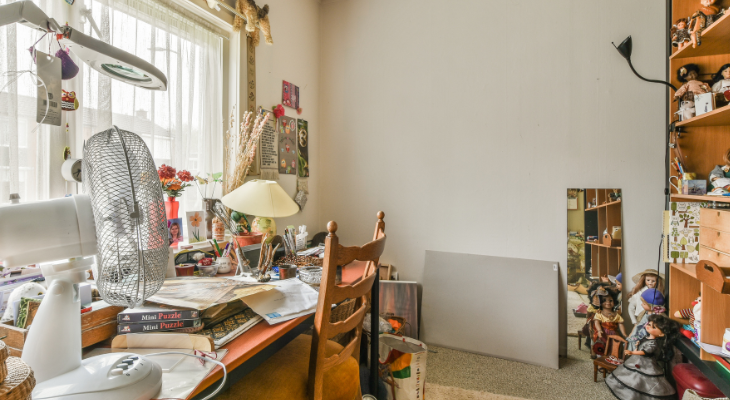
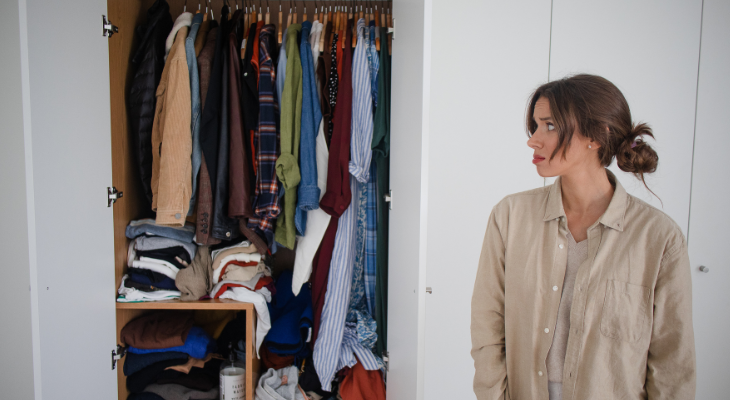
Clutter has a way of creeping into our lives, slowly but steadily taking over our spaces and minds. The impact of clutter is more significant than you might think, affecting not just our physical surroundings but also our mental well-being. In this article, we will explore some eye-opening clutter statistics that highlight the need for decluttering your home and delve into essential questions about how to start decluttering your home, the number of people affected by clutter, the average amount of clutter in homes, and the difference between clutter and hoarding.


1. The Clutter Epidemic
Over 80% of individuals find themselves grappling with stress and anxiety directly linked to the clutter in their living spaces. This statistic emphasizes the pervasive impact of clutter on mental well-being.2. The Average Amount of Clutter
Within the average American home lies a staggering 300,000 items, showcasing the extent to which possessions accumulate and contribute to a cluttered environment.3. The Financial Impact
Annually, Americans invest approximately $2.7 billion in storage units, underlining the financial strain clutter imposes as individuals seek solutions to accommodate their excess belongings.4. Clutter and Mental Health
Studies illuminate a direct correlation between a cluttered home and elevated cortisol levels, resulting in heightened anxiety and disturbances in sleep patterns.
5. Poor Eating Choices
In cluttered environments, individuals are prone to making unhealthy eating choices, a phenomenon reflected in statistics. Those residing in extremely cluttered homes face a staggering 77% higher likelihood of being overweight. This correlation between clutter and dietary decisions highlights the interconnectedness of physical surroundings and lifestyle choices.6. Clutter Causes More Housework
Eliminating clutter is a game-changer for housework, as it accounts for a remarkable 40% reduction in tasks within the average home. This statistic underscores the significant impact decluttering can have on streamlining daily chores and creating a more manageable living environment. It emphasizes the transformative benefits of simplifying living spaces, not just for aesthetic reasons but also for the practical advantage of minimizing the time and effort invested in household upkeep.7. Overwhelming Amount of Clutter
Over half of Americans, specifically 54%, express feeling overwhelmed by the clutter in their lives. Surprisingly, a significant 78% of individuals admit to having no clear idea about how to tackle and manage the excess belongings that contribute to this overwhelming clutter.Looking for a FREE Quote?
Our Dumpster Consultants are waiting to help you find an affordable solution to your waste disposal needs; we can't wait to help you with your project!8. Environmental Impact of Clutter
Beyond personal and financial considerations, clutter significantly contributes to environmental issues. The production and disposal of excess consumer goods result in increased waste and energy consumption, further emphasizing the imperative of adopting sustainable decluttering practices.9. Digital Clutter
In the digital age, clutter extends beyond physical spaces. The average person receives around 121 emails daily, contributing to digital clutter and decreased productivity. Additionally, the average American accumulates over 1,000 digital files on their computer, emphasizing the necessity of organizing virtual spaces.10. Social Impact
Cluttered living spaces can strain relationships, with couples engaging in approximately three arguments per month related to clutter. Furthermore, family members in cluttered environments report higher stress levels and decreased overall life satisfaction, highlighting the broader social impact of clutter.