
Storm Debris Cleanup Made Easy for Augusta Homeowners
The wind finally stops. You step outside, and the yard you left yesterday is gone. Limbs are tangled across the driveway, shingles are scattered in the grass and the fence is leaning toward your neighbor's house.
Storm debris cleanup in Augusta can feel endless, especially when the whole street is doing the same thing at once. This guide walks you through a simple plan: what to do first, how to sort the mess and how a dumpster rental in Augusta, GA can turn weeks of waiting into a weekend of progress.
Safety First, Then Storm Debris Cleanup
Before you pick up a single branch, walk the property and look for hazards.
Downed power lines come first. Treat every line as live, keep everyone away and call Georgia Power or your electric co-op. Don't cut limbs that are touching or tangled in lines.
Next, look up. Hanging branches and split trunks can fall days after a storm. If a tree is leaning on the house or hung up in another tree, that's a job for a licensed tree service.
Then check the basics:
- Gas smell near the meter or inside the house
- Water pooling near outlets or the electrical panel
- Nails and broken glass hidden in the grass
- Unstable steps, decks or porch roofs
Wear sturdy boots, long sleeves, work gloves and eye protection. Most cleanup injuries happen in the first two days, when people are tired and in a hurry.
Document the Damage Before You Move Anything
It's tempting to start hauling right away. Take 20 minutes for photos first.
Your insurance adjuster will want to see the damage as it was. Photograph every side of the house, the roof from the ground, fallen trees, damaged fences, vehicles and anything inside that got wet. Take wide shots and close-ups. A quick video walk-through with your phone helps too.
Keep receipts for everything you spend on cleanup, including tarps, chainsaw rentals, gas and a dumpster. Many policies cover reasonable costs to protect your property from further damage.
Field Note: Shoot your photos with the date stamp on, and email a few to yourself the same day. If your phone gets damaged or lost during cleanup, you'll still have proof of what the storm did.
Sort Debris Into Simple Piles
Good storm debris cleanup is mostly good sorting. When everything goes into one heap, it gets harder to haul and harder to dispose of.
Vegetative Debris
Limbs, leaves, logs and brush. This is usually the biggest pile after a Georgia storm. Cut long limbs into manageable lengths so they stack flat and load easily.
Construction and Building Debris
Shingles, siding, gutters, fencing, drywall, carpet and damaged furniture. These are heavier and bulkier than they look. A soaked carpet pad can weigh several times what it did dry.
Items That Need Special Handling
Some things can't go in a standard dumpster or curbside pile. Propane tanks, paint, batteries, tires, motor oil, household cleaners and ammunition all need separate disposal. Set them aside in a dry spot away from kids and pets.
Curbside Pickup vs. a Dumpster Rental in Augusta, GA
After a big storm, curbside debris collection often runs on a schedule set by the city or county. Crews work through neighborhoods in passes, and it can take weeks to reach every street. Meanwhile, the pile sits in your yard, kills the grass and gives snakes and rodents a place to hide.
A dumpster changes the timeline. You load as you go, the debris is contained and the bin leaves when you're done.
Here's how the two usually compare:
- Curbside pickup works well for light vegetative debris if you can wait. Rules on pile size, placement and what's accepted can change after a major event.
- A dumpster rental works best for mixed debris, roofing and fence material, waterlogged contents from inside the house or anyone who wants the yard back now.
Many Augusta homeowners use both. Brush goes to the curb, and everything else goes in the bin.
If you're cleaning up in Evans, Martinez, Grovetown or North Augusta, the same logic applies. Check your local collection notices, then decide what you can wait on and what you can't.
Choosing the Right Bin Size for Storm Cleanup
Storm debris is bulky. Limbs don't pack tight, and a fence section takes up more room than you'd expect.
For most single-home cleanups, think about it this way:
- Smaller bins work for a few fallen limbs, a section of fence or a small pile of wet carpet.
- Mid-size bins handle a downed tree that's been cut up, plus some damaged contents from a garage or basement.
- A 20 yard bin holds roughly eight pickup truck loads. It's the right call for roof tear-off debris, a full fence line or a combination of everything.
Not sure? The team can help you size it on the phone. You can also compare options on the Augusta bin rates and sizes page.
Worth Knowing: After a storm, your driveway is already under stress. Heavy equipment, fallen limbs and soaked ground all take a toll. That's why bin placement matters as much as bin size. Ask how the bin will be set down before it shows up.
Why Augusta Homeowners Choose a Driveway-Safe Dumpster
In our experience, the call we get most after a storm sounds like this: "The yard's a disaster, but I can't afford to crack the driveway too."
That's a fair worry. A loaded roll-off can do real damage to concrete and asphalt.
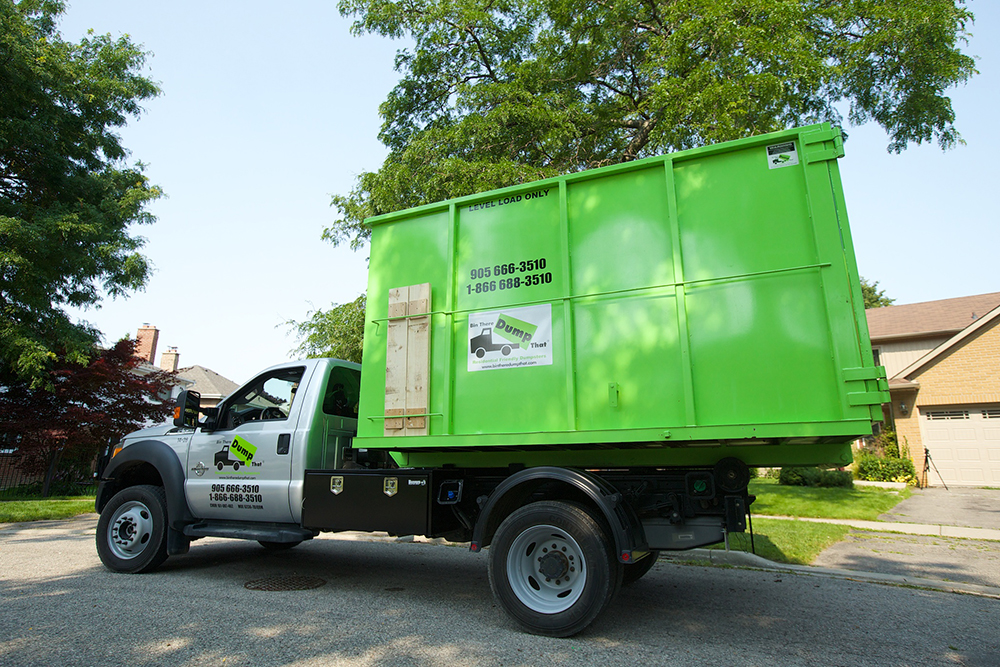
Bin There Dump That Augusta has built its reputation on residential-friendly dumpster rentals, which is why homeowners from Summerville to West Augusta turn to them when the cleanup is big but the driveway still matters. Protective boards go down before every delivery, so the bin never rests directly on your surface. The bins are compact, about the size of a minivan, and fit where larger roll-offs won't.
Delivery is often the next day, with same-day options when available. A Dumpster Consultant helps you pick the size, and the crew sweeps up after pickup.
For yard-heavy storm cleanup, the yard waste dumpster rental options are a good place to start.
A Simple Storm Cleanup Timeline
Here's a realistic order of operations for the days after a storm.
Day one. Check for hazards. Photograph everything. Call your insurer. Tarp any roof openings.
Day two. Clear the driveway and walkways. Start sorting debris into piles. Book your dumpster so it arrives while you still have help.
Days three to five. Load the bin heaviest items first, spreading weight evenly. Keep vegetative debris separate if you plan to use curbside pickup.
End of week. Schedule pickup. Walk the yard for nails, glass and small debris before the kids and pets go back out.
Weathering the Mess, One Load at a Time
Storm cleanup goes faster when you work in the right order: safety, photos, sorting, then hauling. A dumpster won't fix the fence, but it gets the mess off your lawn and out of your week.
When you're ready, request your Augusta dumpster rental and get the yard back sooner.
FAQs
What's the best way to handle storm debris cleanup in Augusta?
The best way is to work in order: check for hazards, photograph the damage for insurance, then sort debris into vegetative, building material and special-handling piles. Move light brush to curbside collection if you can wait, and use a dumpster for mixed or heavy debris you want gone quickly.
Can I put a dumpster on the street after a storm?
It depends on local rules. Many Georgia cities require a permit for bins on public streets or rights-of-way, and street placement can block debris crews and emergency vehicles. A driveway placement with protective boards usually avoids the permit question and keeps the curb clear for collection trucks.