
Why Roofers Rely on Dumpster Rentals for Fast and Efficient Cleanup
Introduction
If you’re going to have a major installation, roofing work makes a mess for the business or homeowner. Tearing away outdated shingles and laying down new ones, and debris just starts to accumulate before you realize it. If you don’t have a good approach to dealing with that waste, you lose things and end up chaotic. That is why so many contractors are using dumpster rentals. If you need a roll-off dumpster in Canton, a rental in Cleveland or you’re searching for an affordable one near you, on-site, a container will do more than just hold trash. It ensures the job continues, minimizes risk and enables an easy transition from start to finish.
The Distinct Waste Challenges of Roofing Jobs
Roofing is nothing like most construction work. It creates a dense and heavy mix of waste in a brief amount of time. Shingles, nails, flashing, wood and underlayment add up fast, particularly with full replacements. Lack of a clear procedure leaves debris dispersed all over the site, causing hazards and halting progress. Rooftop materials are also heavier relative to many other items, Shingles themselves can weigh much more than debris disposal containers have been designed to support. It’s not just a dumpster at this point. It’s something crucial.
How Dumpster Rentals Simplify Shingle Disposal
Direct to Waste from Roof to Dumpster
The obvious benefit is instant disposal. Crews tear off shingles and drop them right into a nearby container, eliminating the requirement to make piles that have to be moved later.
Dealing with Heavy and Bulky Materials
Roll-off dumpsters are designed to do this type of work. They can accept the weight and volume of construction debris flawlessly.
Keeping Materials Contained
Instead of flinging trash around a yard or driveway, everything stays in one place. With that alone, there is a noticeable improvement in both organization and property protection.
Keeping Your Work Areas Clean and Safe
Reducing Hazards
Roofing debris doesn’t come in clean. It contains nails, sharp metal and broken shingles that can easily cause injuries. A dumpster provides a central drop-off point for crews, which makes it safer for workers as well as homeowners.
Preventing Property Damage
Loose debris can spoil landscaping, driveways and adjacent buildings. Holding it reduces the need for additional maintenance.
More Professional
One thing that is readily obvious is the appearance of the job site. A clean job area is a good sign and can lead to increased satisfaction as well as future projects and referrals.
Quicker Cleanup and Project Timelines
Eliminating Extra Trips
Without a dumpster, crews are frequently forced to pick up debris themselves. It means lost time, higher fuel costs (which may get passed on) and less attention to the job at hand. Rentals take that off their plates.
Continuous Workflow
Cleanup occurs as the job goes on with a dumpster on-site. There is no waiting until the end of the day to work on waste.
Faster Job Completion
When debris isn’t as much of a concern, crews can quickly jump from task to task. That efficiency makes a difference and keeps projects on track.
Cost and Local Services Considerations
What Affects Pricing?
The costs typically converge on a few things:
Dumpster size. Rental length. Weight of materials. (Many companies offer a flat-rate pricing model that integrates delivery, pickup and disposal, budgeting becomes more predictable.)
Local Options Matter
Engaging local providers also often translates into faster delivery speeds, better service and more flexible scheduling. That reliability can be a real difference for contractors working many jobs.
Common Real Roof Scenarios and Their Uses
Residential Roof Replacement
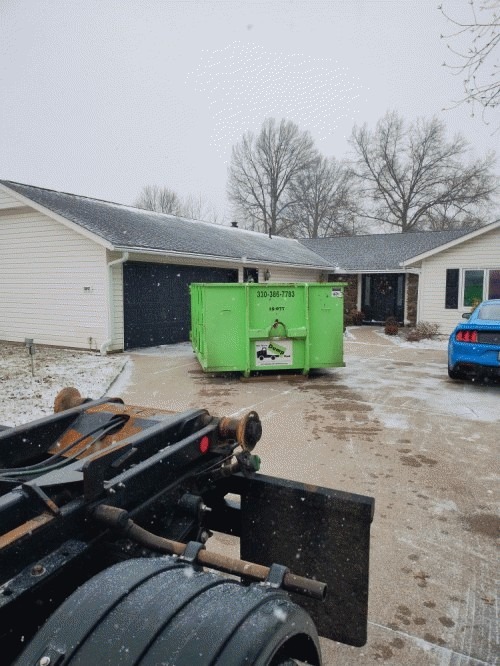
A single-family home can produce multiple tons of debris per day. A driveway dumpster helps to keep things contained and on schedule.
Multi-Layer Tear-Off
Multi-layer older roofs generate even more waste. A larger dumpster prevents backups and delays.
Commercial Roofing Project
More significant jobs tend to have multiple crews. Having multiple dumpsters, or a swapping schedule, keeps things moving along on schedule.
Emergency Roof Repairs
After storms, speed matters. A dumpster enables crews to remove damaged materials quickly, and to start repairing immediately.
Selecting the Most Appropriate Dumpster For Roofing Work
Common Sizes
10–15 yards: Shorter repairs.
20 yards: The average standard residential job.
30–40 yards: Large or commercial projects.
The majority of roofing work falls within the 10–20 yard work interval depending on the scale.
Placement Tips
Keep the dumpster near the site of work. Less distance equals less stress and less potential for injury.
Rental Duration
Most jobs require a dumpster for three to seven days, but extensions are typically offered.
FAQs
What is the best sized dumpster to use for a roof job?
Most residential projects use 10-20 yard dumpsters. Larger jobs may require more capacity.
How much does it cost to rent a roll-off dumpster?
Pricing differs by size, location and duration, but flat rates are prevalent.
How long can I keep a dumpster?
Generally three to seven days, plus an extension if necessary.
What materials can go in a roofing dumpster?
Shingles, wood, underlayment, nails, and metal are generally fine. Hazardous materials are not.
Are dumpster rentals worth it?
Yes. They save time, lower labor, build better protections, and keep projects on track.
Conclusion
Dumpster rentals are now an expected part of roofing projects. They ease cleanup, mitigate risk and keep crews productive from start to finish. If you’re comparing locally or looking for something that fits your budget, the right setup can make a noticeable difference. Cleaner sites result in safer conditions, quicker work and superior overall outcomes. For roofers who value staying on schedule and pulling off good work, a dependable dumpster isn’t just a convenience. It’s part of the job.