How to Choose the Best Roll-Off Dumpsters “Near Me” for Residential and Commercial Projects
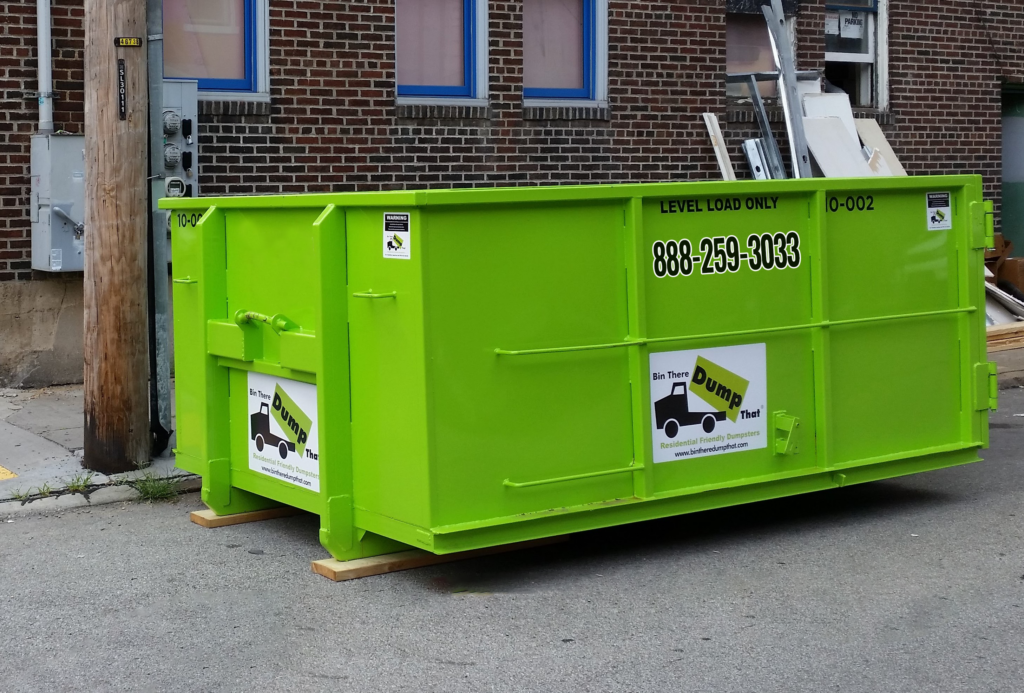
When you type “roll-off dumpsters near me” into Google, it’s easy to get overwhelmed by all the options for rental companies. You’ll find residential cleanup services, commercial waste haulers, and everything in between. Whether you’re tackling a home renovation, a cleanout, or a full-blown commercial build, choosing the right dumpster, and the right provider, can save you time, money, and headaches. Here’s how to do junk removal the smart way.
A. Start by Defining the Scope of Your Project
Your first step should always be understanding the kind of work you’re doing and the waste it will generate. For typical home cleanouts, renovation debris, or garage/basement cleanups, a smaller roll-off dumpster may suffice. For larger jobs like commercial remodels, new construction, or major demolition, you’ll need something much bigger.
Common triggers for dumpster rentals include: home renovations, office or commercial remodels, landscaping or demo projects. Just about anything that produces more waste than your regular trash service can handle is a candidate.
B. Choose the Right Dumpster Size & Type
Dumpster size matters. Not just for volume, but also weight. Standard roll-off dumpsters typically come in sizes ranging from about 10 to 40 cubic yards (or “yards”) depending on the provider.
Here’s a rough guideline:
1. 10–15 yard units — good for small cleanouts, basement/garage cleanups, small remodeling jobs.
2. 20 yard dumpsters — often the “sweet spot” for many residential remodels or moderate projects like kitchen or bathroom updates, small additions, or manageable construction waste.
3. 30–40 yard dumpsters — best for large home remodels, commercial renovations, construction jobs, or any project that generates a lot of waste.
One important rule: don’t just estimate by volume. Heavy materials (like concrete, dirt, bricks, or roofing debris) can make you hit weight limits long before you run out of space. In fact, many dumpster renters recommend sizing up if you’re unsure, or even splitting the waste into multiple dumpsters.
C. Understand Pricing, Fees & What’s Included
How much you pay for a roll-off dumpster depends on several factors: size, rental period, debris type, weight, and local disposal fees.
But what’s included in the quote (and what isn’t) varies widely by company. Some offer flat-rate pricing that includes delivery, pickup, landfill or disposal fees and a set rental period. Others quote a low “base price,” then tack on extra fees for overweight loads, prohibited materials, extended rentals, or delays.
Therefore, when you’re searching for “roll-off dumpsters near me,” it pays to ask detailed questions upfront:
1. What is included in the base price? (delivery, pickup, disposal, rental period?)
2. What is the weight limit? What are overage fees if I exceed it?
3. What materials are prohibited or allowed?
4. What happens if my project runs over time? Are there extra daily charges?
5. If a dumpster sits on a street or public right-of-way will I need a permit? And who gets the permit?
D. Know Local Rules, Permits & Placement Requirements
One often-overlooked part of dumpster rental is placement. If you’re putting the bin on private property like a driveway, usually there’s no permit needed. But if the dumpster will sit on a street, sidewalk, or other public space, many municipalities (or HOAs) require a permit.
Beyond permits:
1. Make sure the spot is level and able to support the heavy weight of a dumpster. Soft ground, freshly paved asphalt, or narrow driveways may cause problems.
2. Confirm there is enough clearance for the truck to deliver and pick up the dumpster (no low-hanging branches, overhead wires, tight turns, etc.).
3. If you’re under an HOA, check their rules first. Some require dumpsters to be hidden from public view, placed only in your driveway, and limit the rental time to a few days.
Failing to plan properly can result in fines, delays, or even refusal of delivery.
E. Compare Local Providers; Price Isn’t Everything
When you search for “roll-off dumpsters near me,” it’s tempting to simply pick the cheapest price. But a low cost doesn’t always mean the best deal. It might mean hidden fees, overage charges, poor service, or inconvenient delivery windows.
Instead, do a little homework:
1. Ask for a full quote with all fees and inclusions.
2. Confirm what materials are allowed, especially if you’re disposing of heavy or bulk items like concrete, bricks, or yard waste.
3. Check availability, particularly if you’re booking during a busy season (spring, summer, fall), when demand for dumpsters can spike. Booking a few days to a week ahead is often wise.
4. For commercial or heavy-duty work, consider whether a larger container, or multiple containers (or specialty containers), might be more cost-effective than trying to force everything into a smaller bin.
Why It Matters for Areas Like Akron, Cleveland, Elyria and Beyond
Because waste disposal costs, landfill fees, permit requirements, and city regulations vary widely across regions, a “standard” dumpster rental in one city might not be ideal in another. That’s why local references and local providers matter.
If you happen to be in or near Ohio, maybe you’ve searched for “dumpster rental Akron, Ohio,” “cheap dumpster rental Cleveland, Ohio,” or “dumpster rental Elyria, Ohio”, it becomes even more important to choose a local company like Bin There Dump That for junk removal who understands the lay of the land: from permit rules to disposal regulations to what kind of debris is common in that area.
Local reputation, transparent quoting, knowledge of local regulations and dump fees. These can make the difference between a smooth project and a costly headache.
The Bottom Line: Don’t Just Rent. Rent Smart
Renting a roll-off dumpster is a powerful tool for both residential projects (cleanouts, renovations, remodels) and commercial work (construction, demolition, large-scale disposal). But the benefits only materialize if you choose carefully.
Define the scope of your project. Estimate your waste volume and weight. Choose the right size. Ask detailed questions about pricing, fees, and materials. Prepare your site for delivery. Confirm any permit or HOA requirements. And when you get quotes, compare beyond just the sticker price.
If you follow these steps, and work with a reliable provider, you’ll get a dumpster that fits your needs, stays on budget, and helps keep your property clean and organized from start to finish.
Need a dumpster fast?
Get the right size, fair pricing, and reliable local service for your residential or commercial project. Contact Bin There Dump That today for a free quote.
Frequently Asked Questions
The size depends on the type and volume of waste. Small cleanouts or minor renovations typically use 10–15 yard dumpsters, while mid-size remodels often require 20 yards. Large construction or demolition projects usually need 30–40 yard containers. When in doubt, it’s safer to choose a slightly larger size to avoid overfilling or extra fees.
Most dumpster rental companies include a standard rental period, often 5–10 days. However, many providers offer flexible extensions for an additional daily fee if your project takes longer than expected. Always confirm the rental duration before booking.
Prohibited items commonly include hazardous waste (chemicals, paints, solvents), electronics in some regions, tires, batteries, and certain appliances with refrigerants. Restrictions vary by location and provider, so it’s important to ask for a full list before loading your dumpster.
If the dumpster is placed on private property like a driveway, a permit is usually not required. However, if it sits on a public street, sidewalk, or right-of-way, many cities require a permit. Local regulations and HOA rules may also apply.
Pricing is influenced by dumpster size, rental duration, type of debris, weight limits, and local disposal fees. Additional charges may apply for overweight loads, restricted materials, or extended rentals. Asking for a full upfront quote helps avoid unexpected costs.